Manufacturers in high-stakes industries – aircraft engines, medical devices, industrial machinery – have long seen the promise of ceramics, drawn to their strength, conductivity, and resilience in extreme environments.
Yet that promise has mostly gone unmet. Ceramics’ strength is a double-edged sword, making them very hard to machine into the precision shapes that such industries need, whilst 3D printing ceramics is slow and prone to defects.
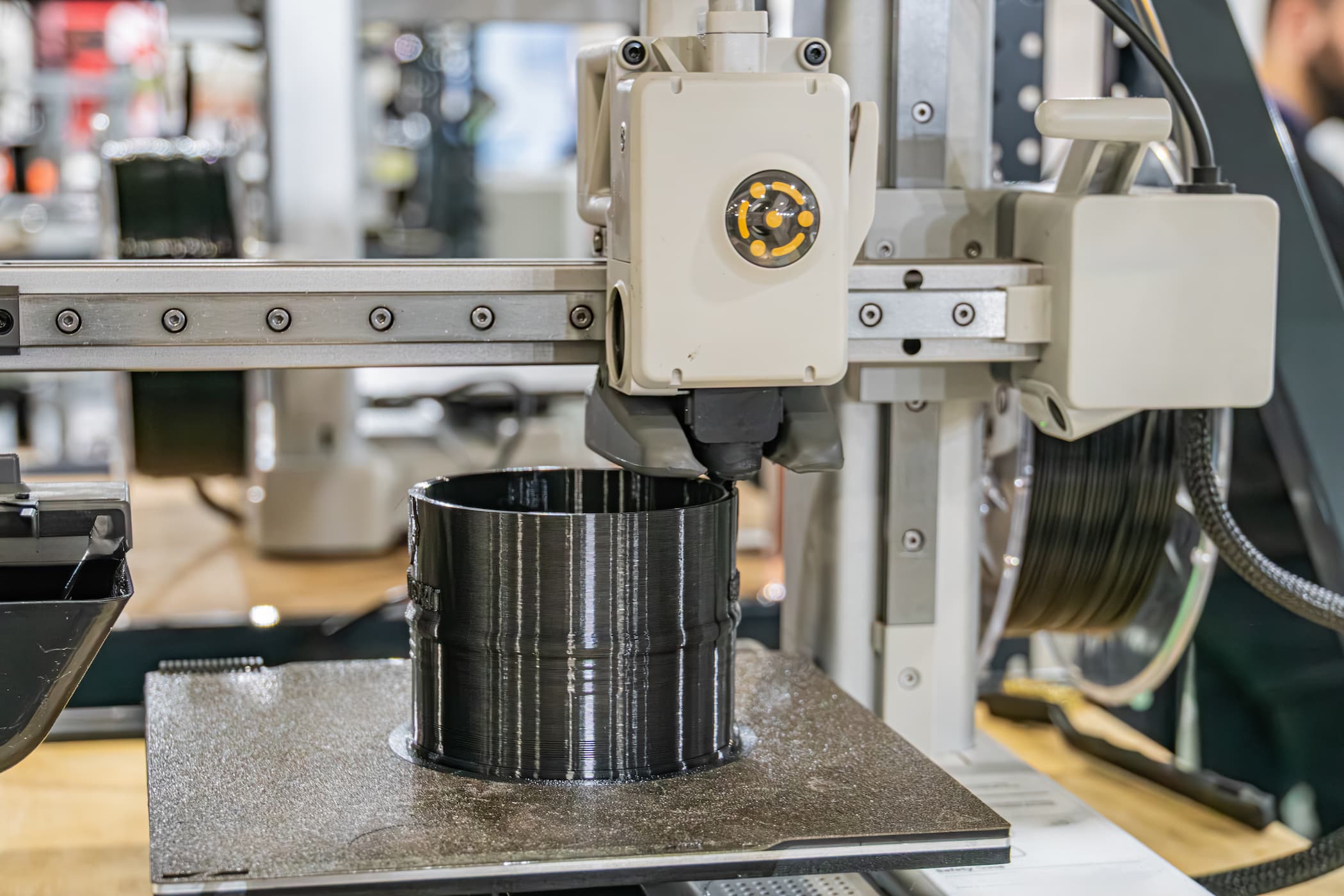
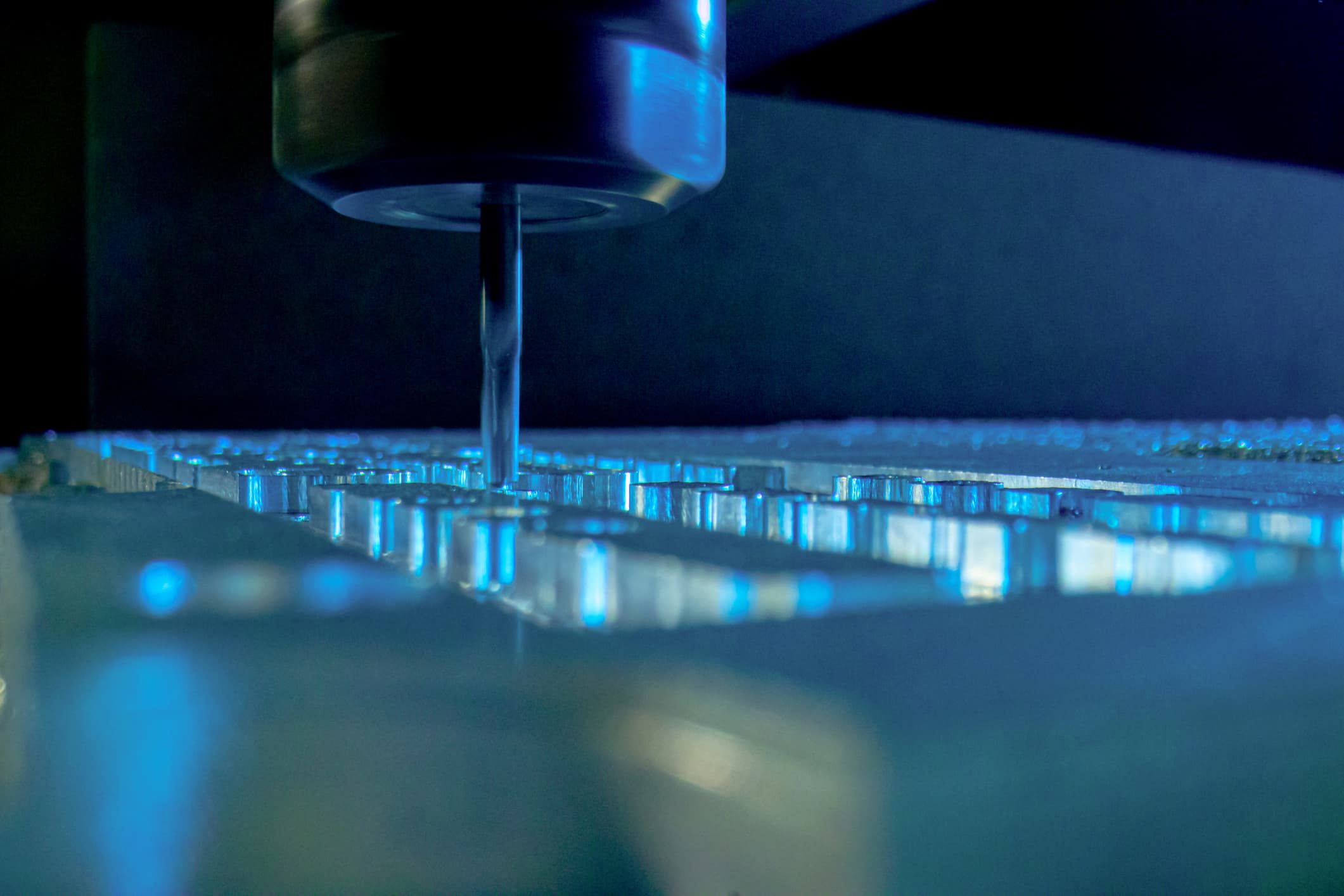
That could soon change. Hydra Manufacturing, a University of Leeds spin-out, can now 3D print ceramics, whilst simultaneously machining them into the desired shape. This approach enables them to produce high-performance components quickly, reliably and cost-effectively. That, in turn, opens the door to new ceramic products for high performance markets, boosting the UK’s position in some of the world’s most valuable manufacturing sectors.
This high-potential innovation spent many years on a university lab bench, until AMPI helped turn it into industrial reality.
Hydra’s underpinning technology was developed at Leeds by Professor Robert Kay and his team. But moving from prototype to commercial reality needed more than just academic know-how.
That gap was filled by the Advanced Machinery Productivity Institute (AMPI), which Professor Kay joined at its inception in 2022. His involvement opened doors to the funding, connections, and support that Hydra needed.
The first critical intervention came in 2024 when AMPI launched a £1m funding call for developing advanced machinery. Kay applied and was awarded £180,000.
“Funding is critical to commercially scaling machinery, but there are hardly ever funding calls in this space,” says Professor Kay. “This was perfectly timed and exactly what we needed.”
The grant required match funding from industry, and here AMPI delivered another big win. Through the consortium, Kay joined a discussion curated by the Midlands Industrial Ceramics Group (MICG), where he met materials science consultancy, Lucideon. Lucideon was already interested in 3D printing of ceramics and immediately saw the potential of Hydra’s technology, offering the match funding as a way to create a strategic partnership bridging ceramic material and machinery.
Backed by funding Hydra was able to integrate multiple strands of its research into a single platform, aligned to customer needs. The partnership with Lucideon also played a key role here, combining their ceramics material processing with Hydra’s machinery expertise to shape the direction of development.
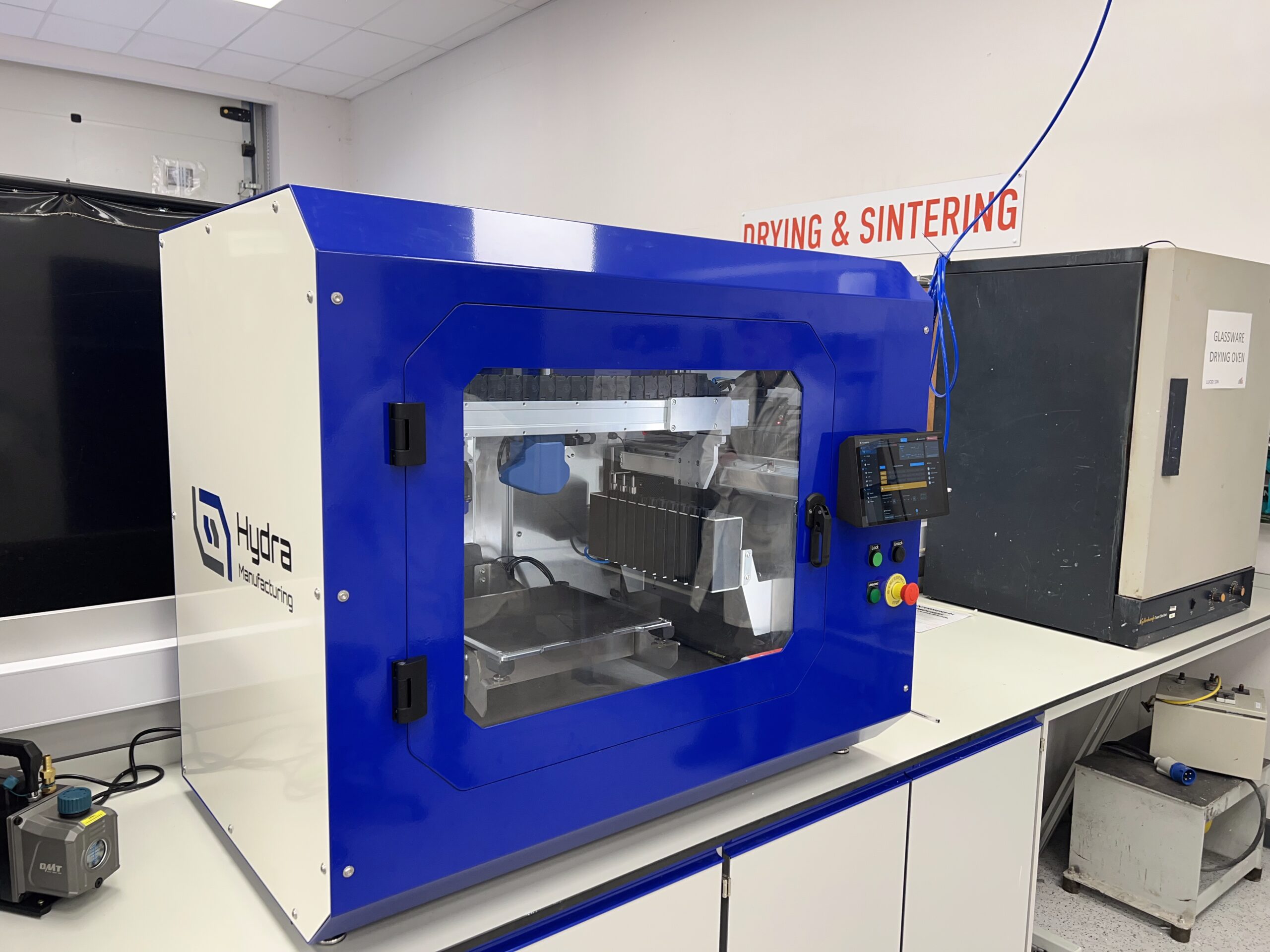
The result was the Ceramic Hybrid Additive Manufacturing Platform (CHAMP), an innovative machine capable of producing high-performance ceramic and metal components that were previously difficult to process.
Since launching CHAMP, Hydra has secured its first customers and is running demonstrations with others. It spies big opportunities across high-value markets such as aerospace, medical implants, industrial processing, and electronics for extreme conditions. Buoyed by this commercial interest, it recently secured an additional £320,000 in private investment to scale-up its technology for new high-value markets.
“AMPI was instrumental in getting Hydra to this point,” says Kay. “It provided access to critical funding, and got us in front of people with ceramics manufacturing challenges, including in whole new industries like aerospace, where we needed to develop key decision maker connections.”
Professor Kay concludes:
“We now have an advanced machine that didn’t previously exist, and we can create high value ceramic components at a speed, price and quality that was not previously possible. We have customers, and we are talking to more about unlocking new possibilities across high-value industries. What began as interesting research is now – thanks in large part to AMPI – a UK advanced machinery company at the forefront of advanced manufacturing.”