A small and medium-sized enterprise (SME) based in Greater Manchester has a long track record of producing precision engineered components for high specification engineering markets. To expand into more demanding applications, such as pumps and compressors used in the oil and gas sector, the company wanted to develop a new bearing that could operate at higher temperatures than its existing products and offer improved resistance to corrosive chemicals.
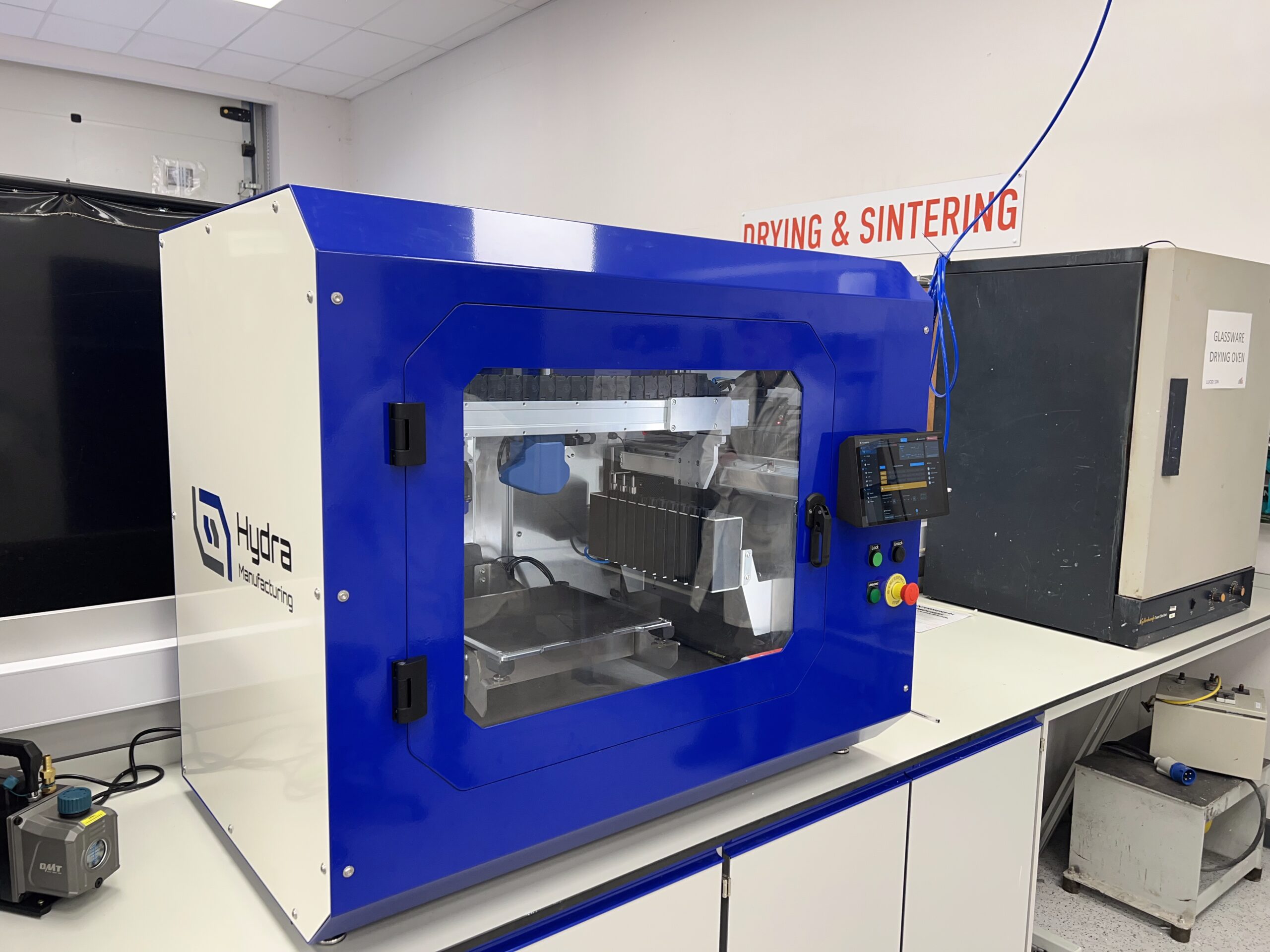
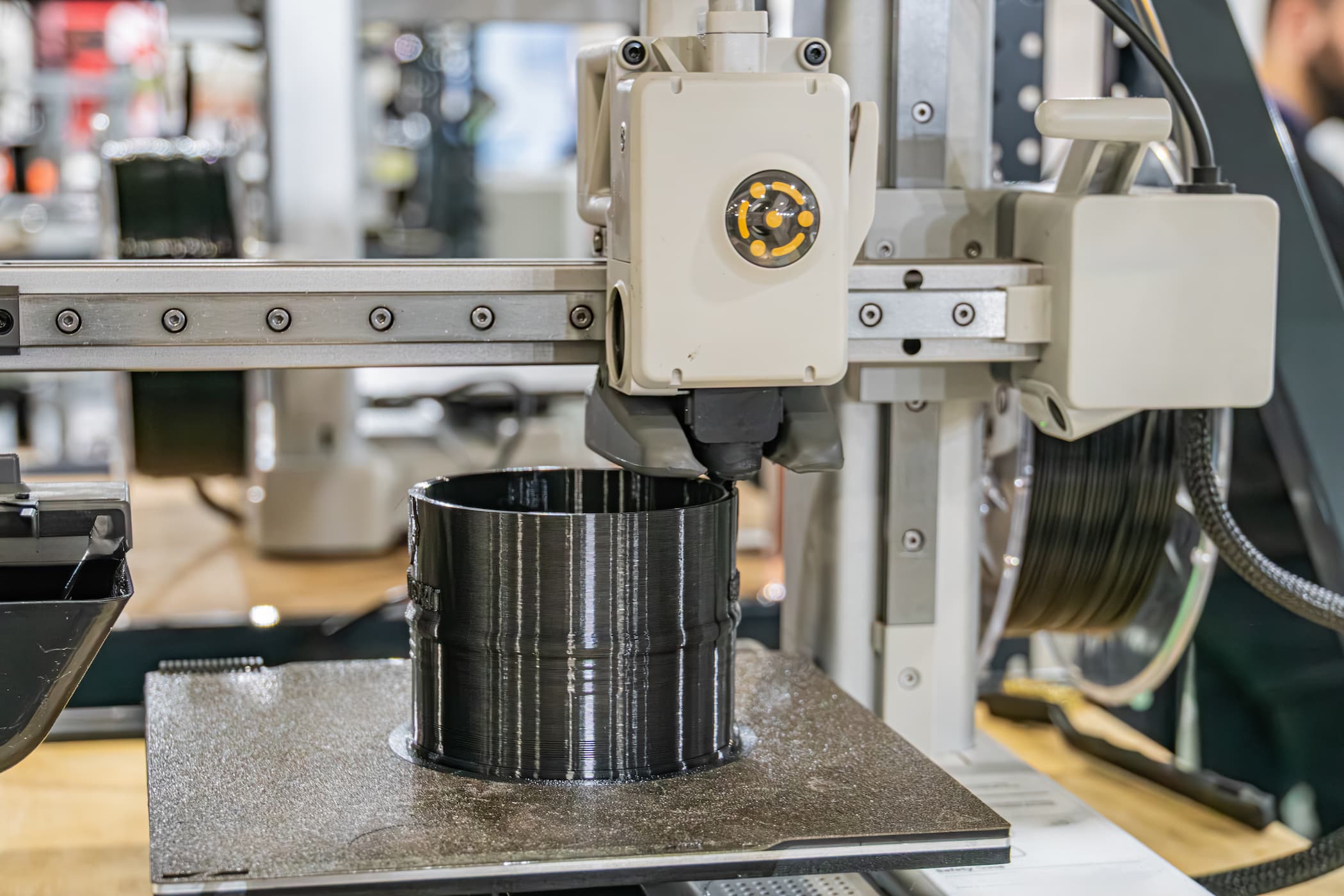
To achieve this, the company needed to adopt additive manufacturing (also known as 3D printing), which allows parts to be built layer by layer rather than machined from solid material.
The proposed bearing design used an advanced polymer composite made from two materials (unnamed due to commercial sensitivity). The company expected that combining these materials would deliver the required thermal and chemical performance.
The company wanted to manufacture the bearing using 3D printing. However, developing a reliable additive manufacturing process proved technically challenging. The composite required high processing temperatures to combine the materials effectively, and there was a significant risk that the material could clog the deposition system during printing.
To address these challenges, the company partnered with the University of Manchester through the Advanced Machinery Productivity Institute (AMPI) Innovation for Machinery (I4M) funding programme. The project team worked with Dr Abdalla Omar at the Additive@Manchester Lab.
The Lab specialises in developing bespoke 3D printing processes that deliver specific material properties and geometries. It draws on specialist equipment, digital tools, and expert knowledge to tailor manufacturing approaches to individual requirements.
For this project, the team selected a high temperature, screw assisted 3D printing system. In this system, a rotating screw mixes the two materials as they move through a heated barrel. This process forces the materials into a uniform combination before deposition.
To further improve consistency, the team introduced a sifting tool at the material feed point. This helped the powder disperse more evenly as it entered the printer. The team also used digital control systems to regulate screw speed and temperature, ensuring the printed material achieved the required properties.
Together, this work resulted in a 3D printing system that was not previously available. The system met the company’s specific requirements and can be adapted to support other companies with similar manufacturing challenges.
The project provided the company with an effective method for producing its new bearing and significantly improved its understanding of additive manufacturing and composite materials. This represented a critical step towards the development of a commercial product.
The company anticipates that, once fully developed, the new bearing could generate sales of around £120,000 per annum, with much of this revenue coming from new markets and exports. The company also expects the approach to reduce parts, labour, and materials costs by around 50% compared with its original production estimates.
The collaboration strengthened the company’s links with academia and helped build internal expertise in advanced materials and additive manufacturing. These capabilities will support the company’s longer term innovation strategy.
The engineer who led the project for the company said:
“This work in bespoke additive manufacturing has helped us on our path to developing a new high quality composite product with real commercial potential, and meaningfully moved us along our composite materials and additive manufacturing journey. Without I4M support, the project would not have happened at the same scale and speed.”